
Walking as Preventive Medicine
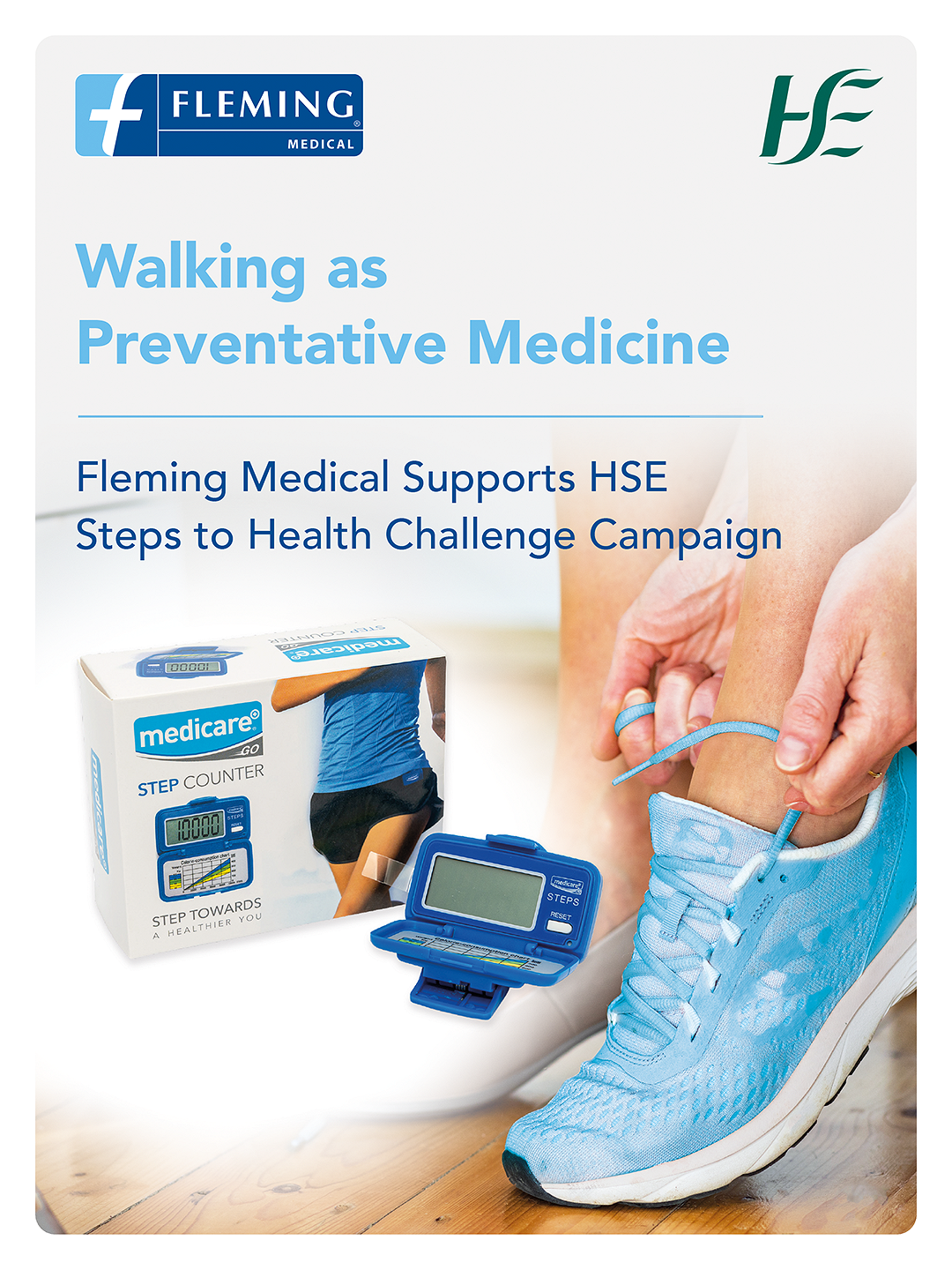
The Clinical Value of Daily Physical Activity and the Role of Workplace Initiatives
Physical inactivity remains one of the most significant modifiable risk factors for non-communicable diseases worldwide. Sedentary lifestyles contribute to cardiovascular disease, type 2 diabetes, obesity, and declining mental wellbeing. For healthcare professionals, encouraging patients and communities to adopt sustainable physical activity habits remains a critical component of preventive medicine.
Among the most accessible forms of physical activity is walking. It requires minimal equipment, is safe for most populations, and can be integrated into daily routines with relative ease. Increasing evidence demonstrates that even moderate increases in daily walking can deliver measurable improvements in cardiovascular health, metabolic regulation, and psychological wellbeing.
Large cohort studies have shown that individuals who walk regularly can experience a 20–30% reduction in the risk of cardiovascular disease compared with those who remain inactive.¹
Walking also contributes to improved lipid profiles and insulin sensitivity, supporting long-term cardiometabolic health. For many patients, particularly those who may not engage with structured exercise programmes, walking represents an achievable entry point into a more active lifestyle.
Healthcare professionals frequently recommend 30 minutes of brisk walking most days of the week, which aligns with international physical activity guidelines.
Metabolic and Chronic Disease Prevention
Beyond cardiovascular benefits, regular walking contributes to improved metabolic health and reduced risk of chronic disease.
Evidence indicates that consistent moderate physical activity can help reduce the risk of:
- Type 2 diabetes
- Metabolic syndrome
- Obesity
- Certain cancers
Walking supports energy expenditure and helps regulate glucose metabolism. In individuals with prediabetes or metabolic risk factors, increasing daily step counts can play a meaningful role in lifestyle intervention strategies.² Physical activity is also closely associated with improved psychological wellbeing. Walking has been shown to reduce stress levels, improve mood, and enhance cognitive performance.
Exposure to outdoor environments during walking may further amplify these benefits by supporting mental restoration and reducing stress responses.³ For healthcare workers and office-based professionals, brief walking breaks throughout the day can improve concentration, reduce fatigue, and support workplace wellbeing.
The Role of Workplace Health Initiatives
Behavioural change is often easier when supported by structured programmes and social engagement. Workplace wellness initiatives can therefore play an important role in encouraging individuals to adopt healthier habits.
In Ireland, the Health Service Executive (HSE) Steps to Health Challenge is a workplace initiative designed to increase daily physical activity among employees. Typically running over five weeks, the programme encourages teams of colleagues to track their steps and gradually increase their daily activity levels.
Participants aim to achieve 10,000 steps per day or progress from 20 minutes to 40 minutes of brisk walking daily. Teams of two to ten participants work together to log their weekly step totals while encouraging small but meaningful behavioural changes such as:
- Walking meetings
- Lunchtime walks
- Choosing stairs instead of lifts
- Incorporating short activity breaks during the workday
Initiatives like these provide a structured framework that supports engagement, accountability, and sustained motivation.
Step Monitoring and Behavioural Motivation
Tracking daily activity has been shown to improve adherence to physical activity goals. Monitoring step counts provides individuals with measurable targets and feedback that can encourage consistent participation.
Pedometers and wearable activity trackers have been widely studied in behavioural intervention programmes. Evidence suggests that individuals who monitor their steps can increase physical activity levels by approximately 2,000 additional steps per day, representing a meaningful increase in daily movement.⁴ For workplace programmes such as the Steps to Health Challenge, simple step tracking tools can therefore support both motivation and progress monitoring.
Supporting Activity Monitoring in Everyday Life
While walking itself requires no specialised equipment, step counters can help participants remain engaged by providing visible progress tracking throughout the day.
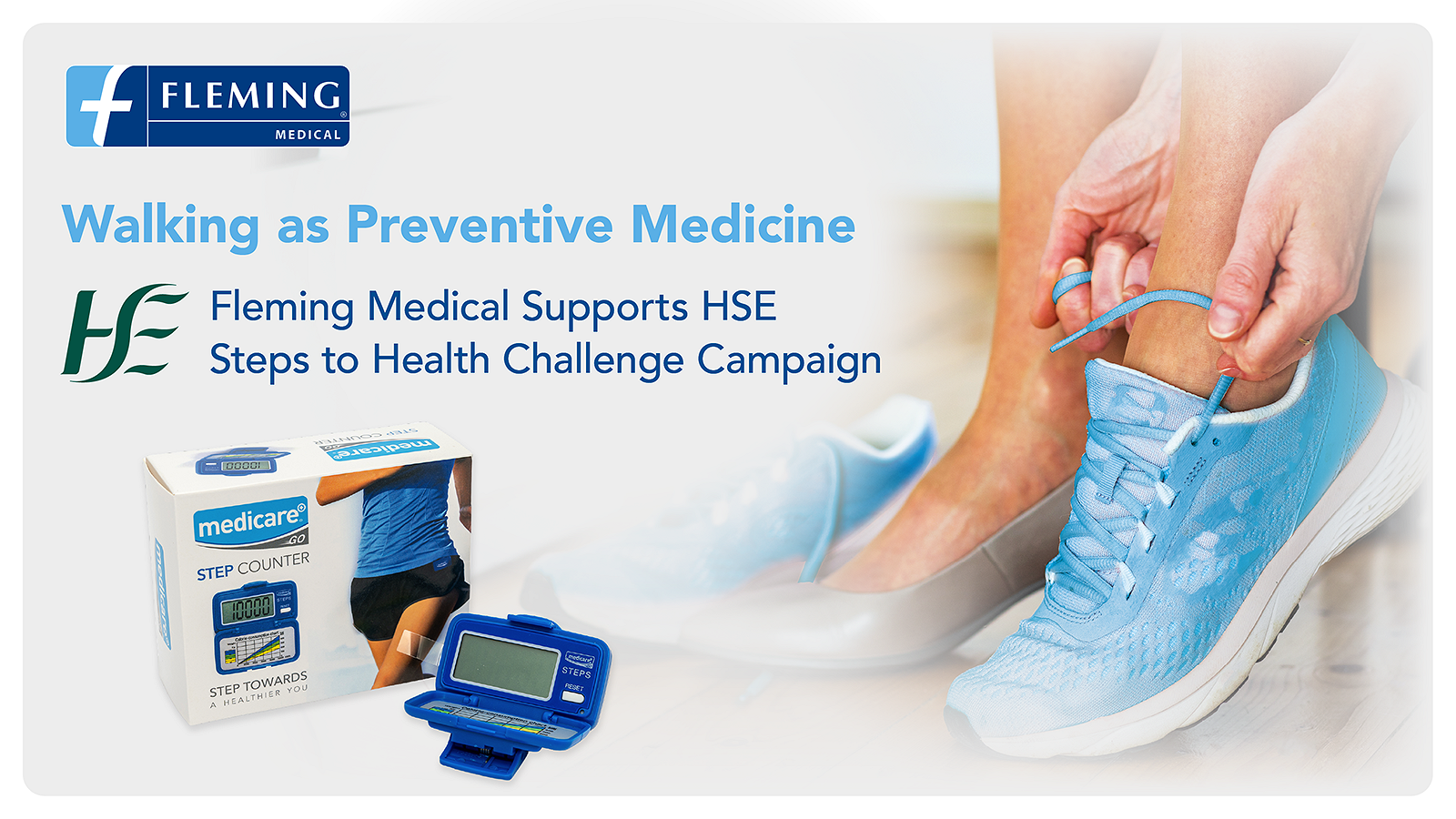
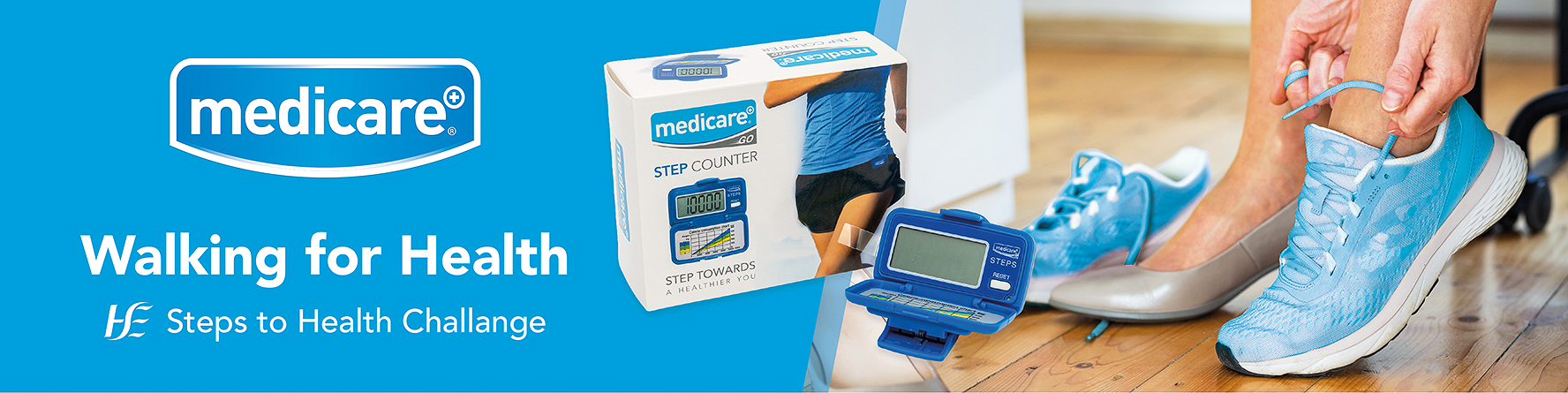
Devices such as the Medicare Step Counter (MD1830) supplied by Fleming Medical use 3D sensor technology to track steps accurately whether worn on a belt, carried in a pocket, or clipped to a bag. With a large LCD display and calorie monitoring functionality, it provides a straightforward way for individuals to monitor their activity levels during walking programmes or workplace initiatives.
For healthcare organisations promoting wellness initiatives, simple monitoring tools may help reinforce behavioural engagement and encourage consistent participation throughout programmes such as the HSE Steps to Health Challenge.
Small Changes with Significant Health Impact
Encouraging daily walking represents one of the most practical strategies available for improving population health. By integrating physical activity into everyday routines, individuals can accumulate meaningful health benefits without requiring complex exercise programmes.
Public health initiatives that promote walking, combined with supportive workplace environments, can help shift behaviours toward more active lifestyles. For healthcare professionals, promoting walking as a foundational form of physical activity remains a simple yet powerful intervention that supports both individual wellbeing and broader public health goals.
References
- Lee IM, Shiroma EJ, Lobelo F, et al. Effect of physical inactivity on major non-communicable diseases worldwide: an analysis of burden of disease and life expectancy. Lancet. 2012;380(9838):219-229.
- Colberg SR, Sigal RJ, Yardley JE, et al. Physical activity/exercise and diabetes: a position statement of the American Diabetes Association. Diabetes Care. 2016;39(11):2065-2079.
- Thompson Coon J, Boddy K, Stein K, et al. Does participating in physical activity in outdoor natural environments have a greater effect on physical and mental wellbeing? Environmental Science & Technology. 2011;45(5):1761-1772.
- Bravata DM, Smith-Spangler C, Sundaram V, et al. Using pedometers to increase physical activity and improve health: a systematic review. JAMA. 2007;298(19):2296-2304.
- World Health Organization. WHO Guidelines on Physical Activity and Sedentary Behaviour. Geneva: WHO; 2020.
-
 Medicare Gel Arch Wrap Recognised in Pharmacy Awards
-
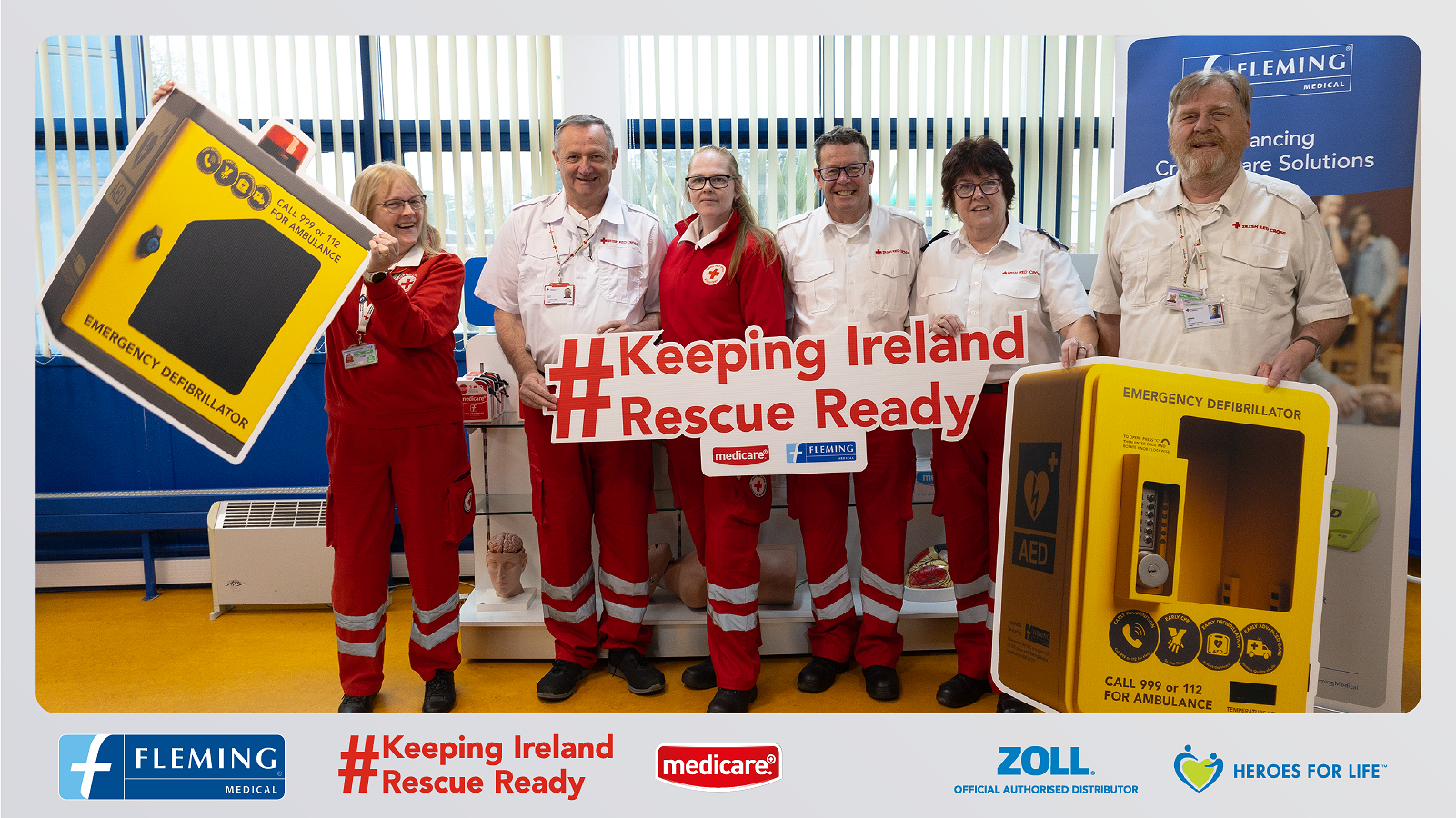 Keeping Ireland Rescue Ready: Fleming Medical Hosts Community AED Handover Event
-
Walking as Preventive Medicine
-
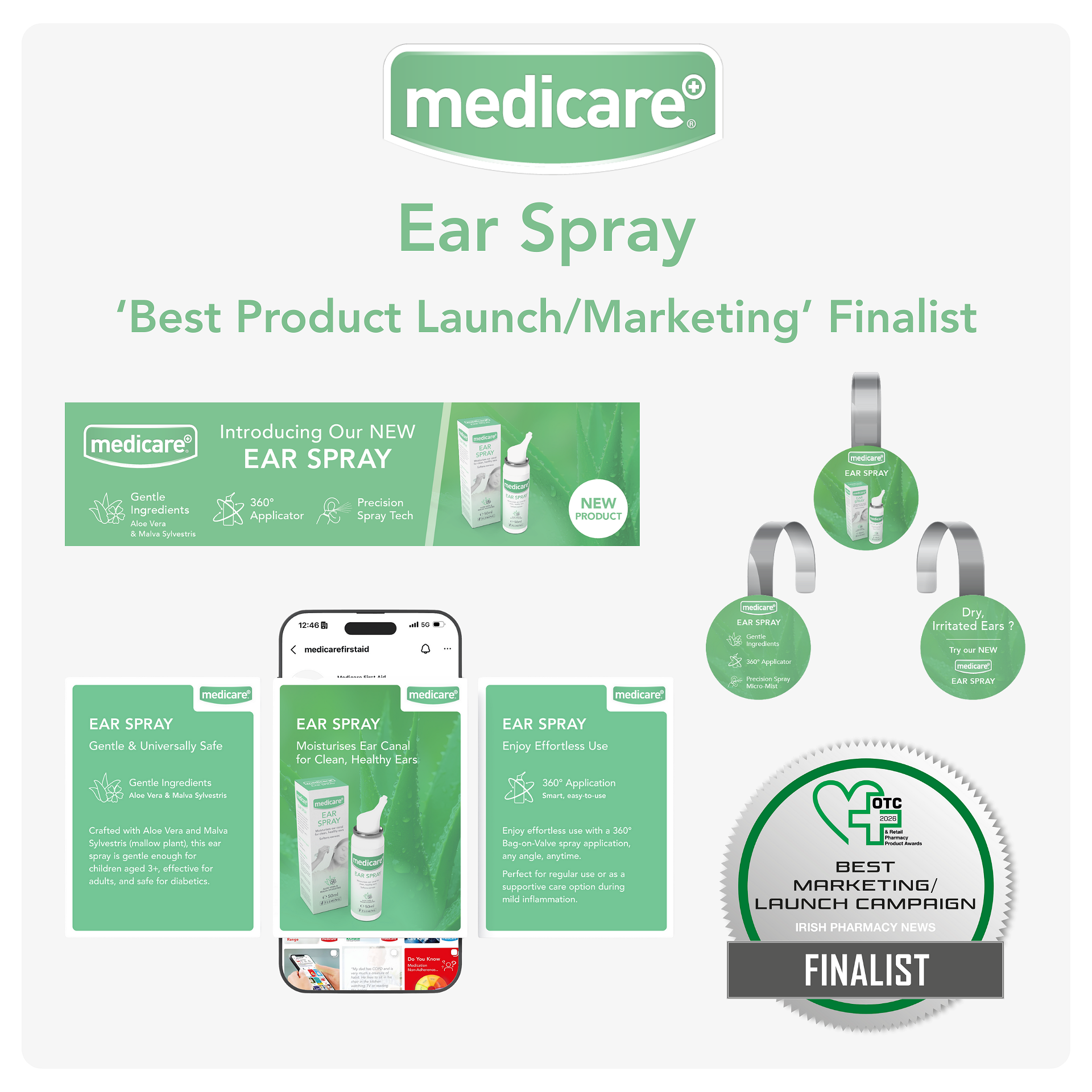 From Insight to Impact: The Thoughtful Development and Launch of Medicare Ear Spray
-
 Body Composition - Understanding What’s Behind The Numbers
-
 Keeping Your AED Winter-Ready: Practical Guidance for Cold Weather
-
 Get Ready for Insect Season: Why Medicare Insect Repellent Sprays Belong on Your Shelves
-
 Stroke in Ireland: Prevention, Action, and Recovery
-
 Advanced Footcare Solutions: Use Cases Explained
-
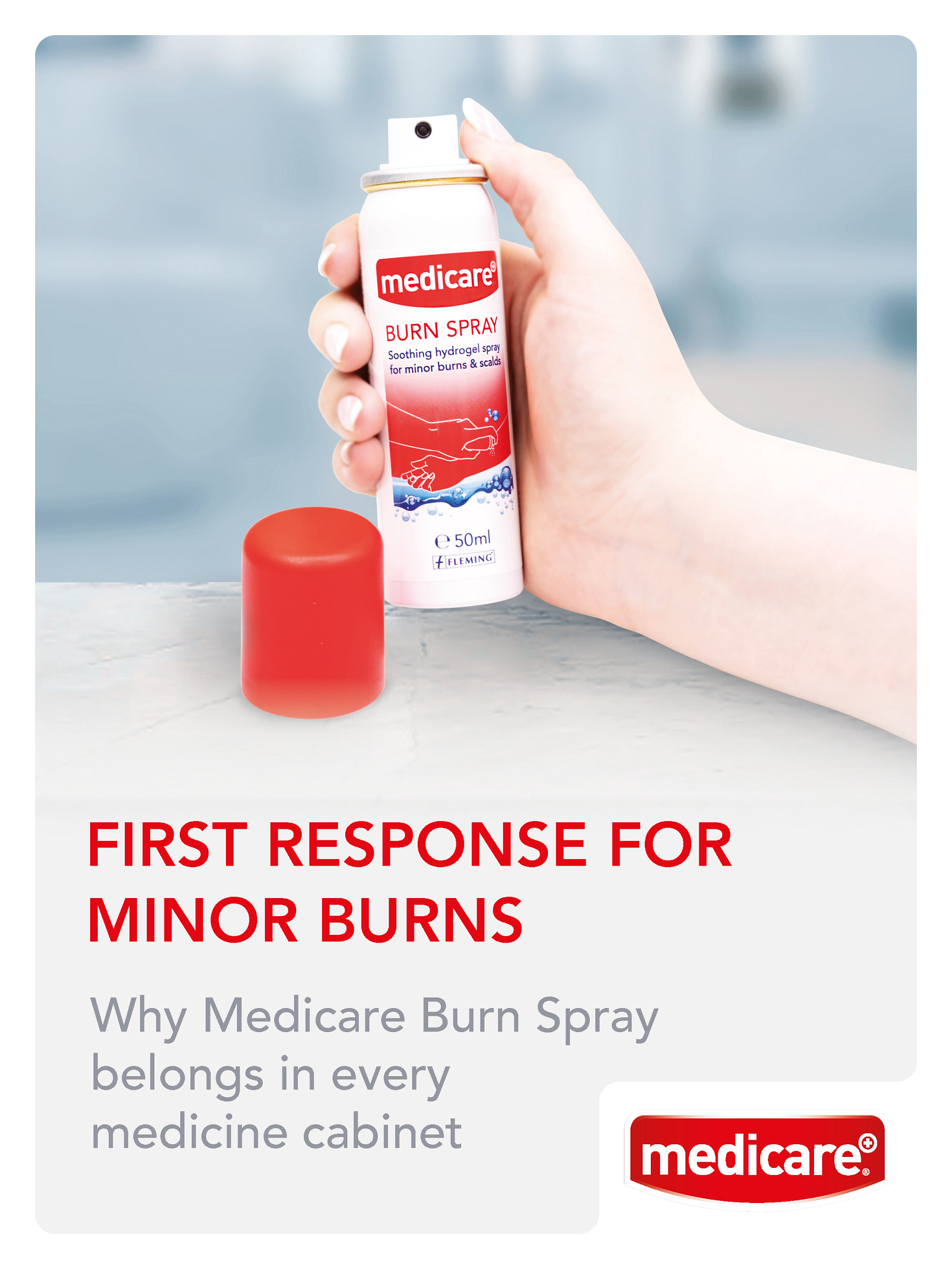 First Response for Minor Burns: Why MD508 Medicare Burn Spray Belongs in Every Medicine Cabinet
-
 Breathe Easy with Medicare Nasal Spray
-
 Gentle Daily Ear Care with Medicare Ear Spray
-
 Fleming Medical Achieves ISO 13485 Certification – Reinforcing Our Commitment to Patient Safety and Quality
-
 DEFIGARD Touch 7 – Advanced Emergency Care in One Powerful Device
-
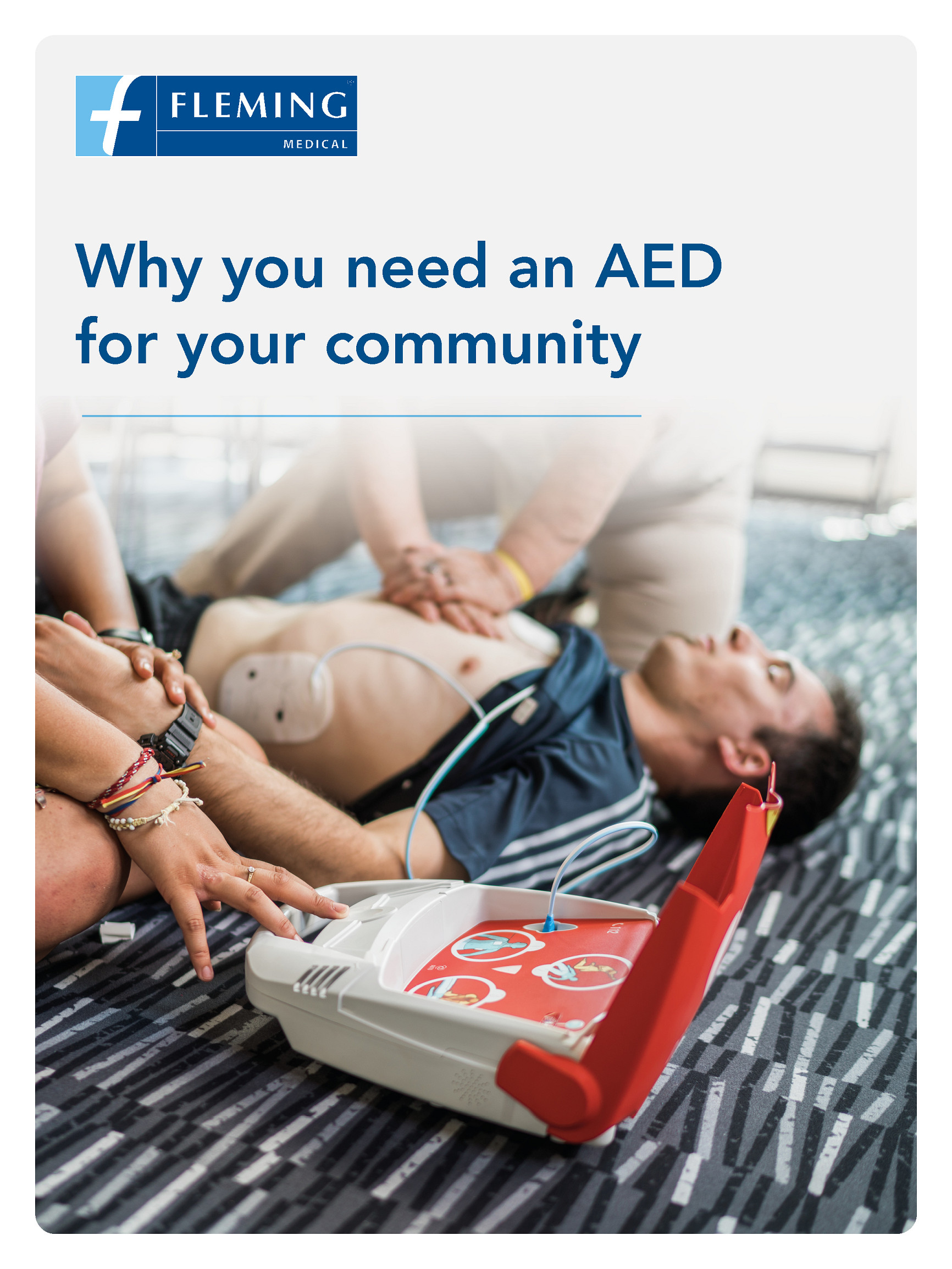 Why you Need an AED for your Community
-
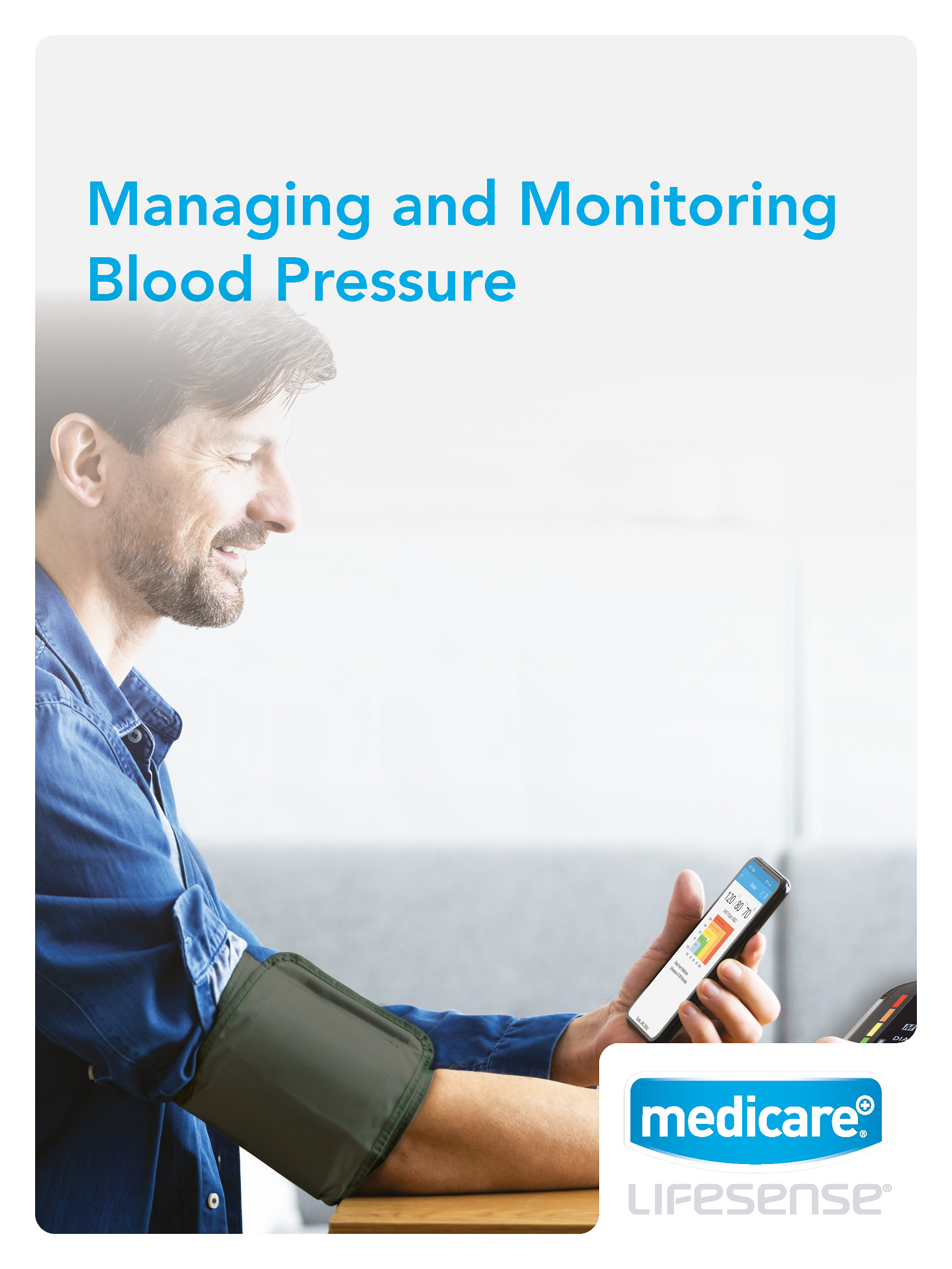 Managing and Monitoring Blood Pressure
-
 Fleming Medical wins Buyers Choice Award during ECRM's European Health, Nutrition and Wellness Program 2020
-
 Prevention is Key: Cold & Flu Prevention
-
 Two Great Limerick Teams come together!
-
 Fleming Medical and Munster Rugby Renew Partnership
-
 Fleming Medical Supports Irish Red Cross
-
 Join us for the Webinar: Managing your COPD During Winter
-
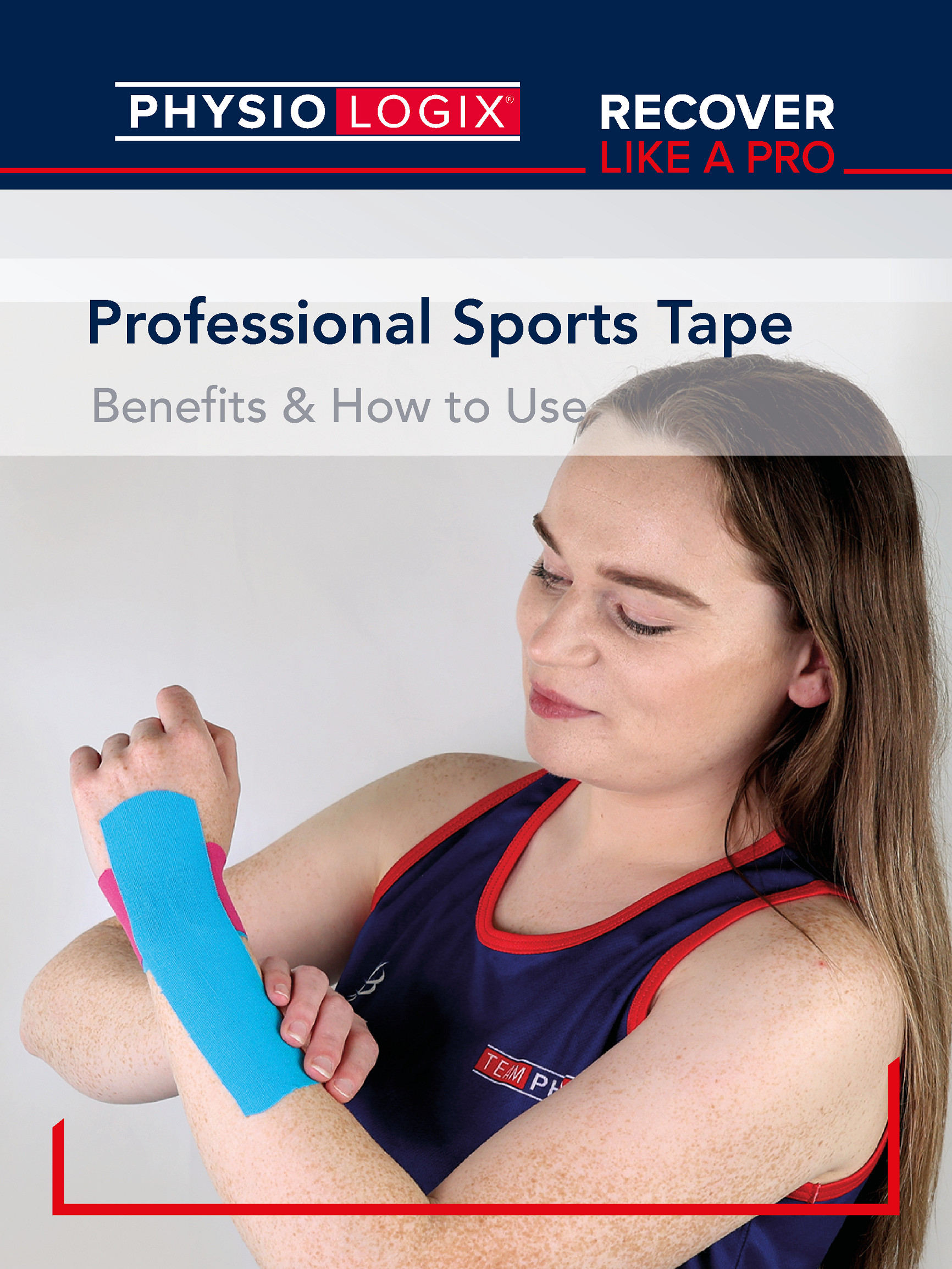 Professional Sports Tape | Benefits & How to Use
-
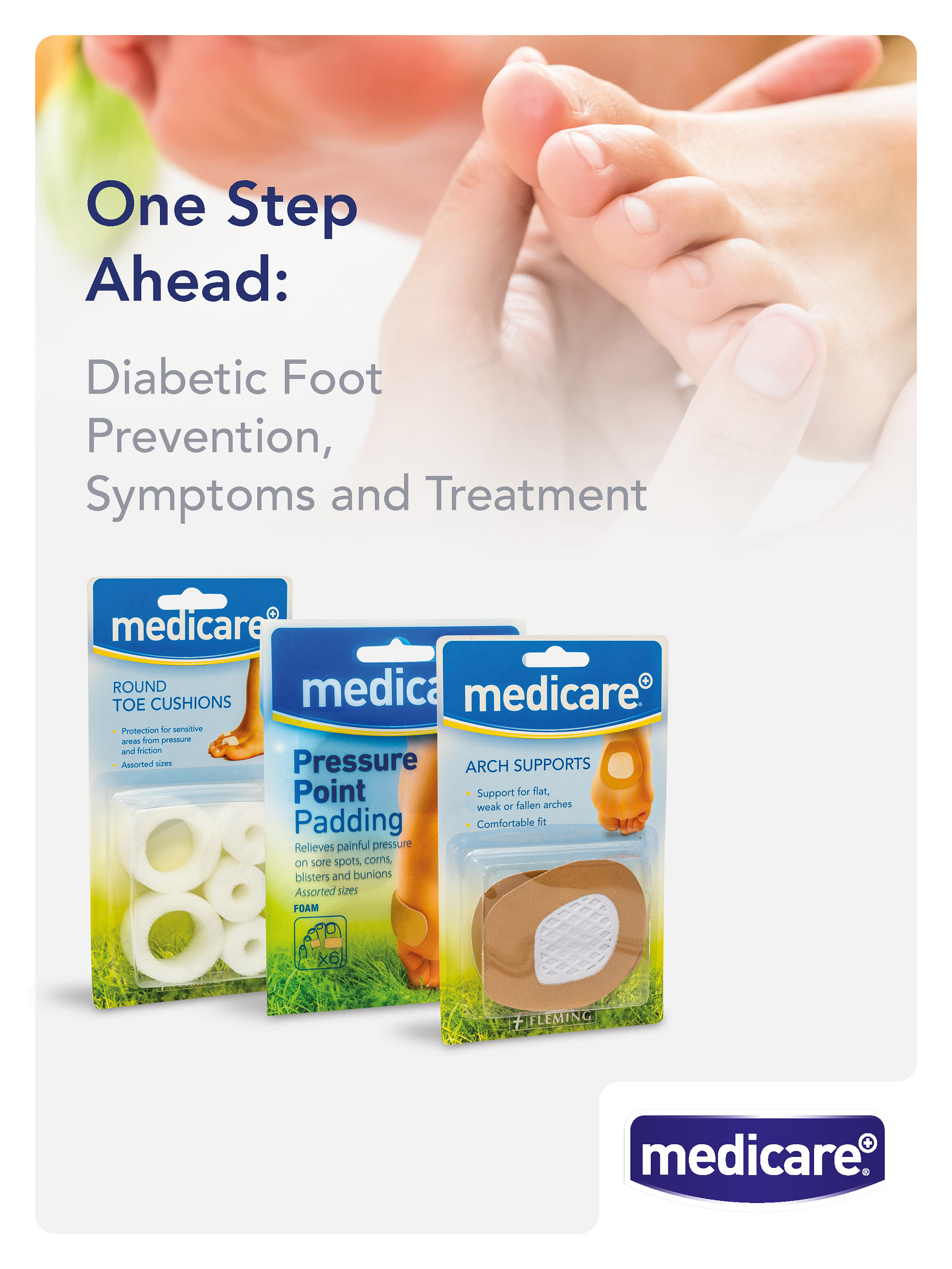 One Step Ahead: Diabetic Foot Prevention, Symptoms and Treatment
-
Be Rescue Ready: Time to Spring Clean your First Aid Kit
-
One Step Ahead: Get your Feet Summer Ready
-
The 12 Injuries Of Christmas Recap - Medicare Festive First Aid Guide
-
 Fleming Medical Achieves ISO 13485 Certification – Reinforcing Our Commitment to Patient Safety and Quality
-
 Keeping Customers Covered: How Pharmacies can address the Summer Burn Surge - A clinical and practical guide for pharmacy teams