
Keeping Your AED Winter-Ready: Practical Guidance for Cold Weather
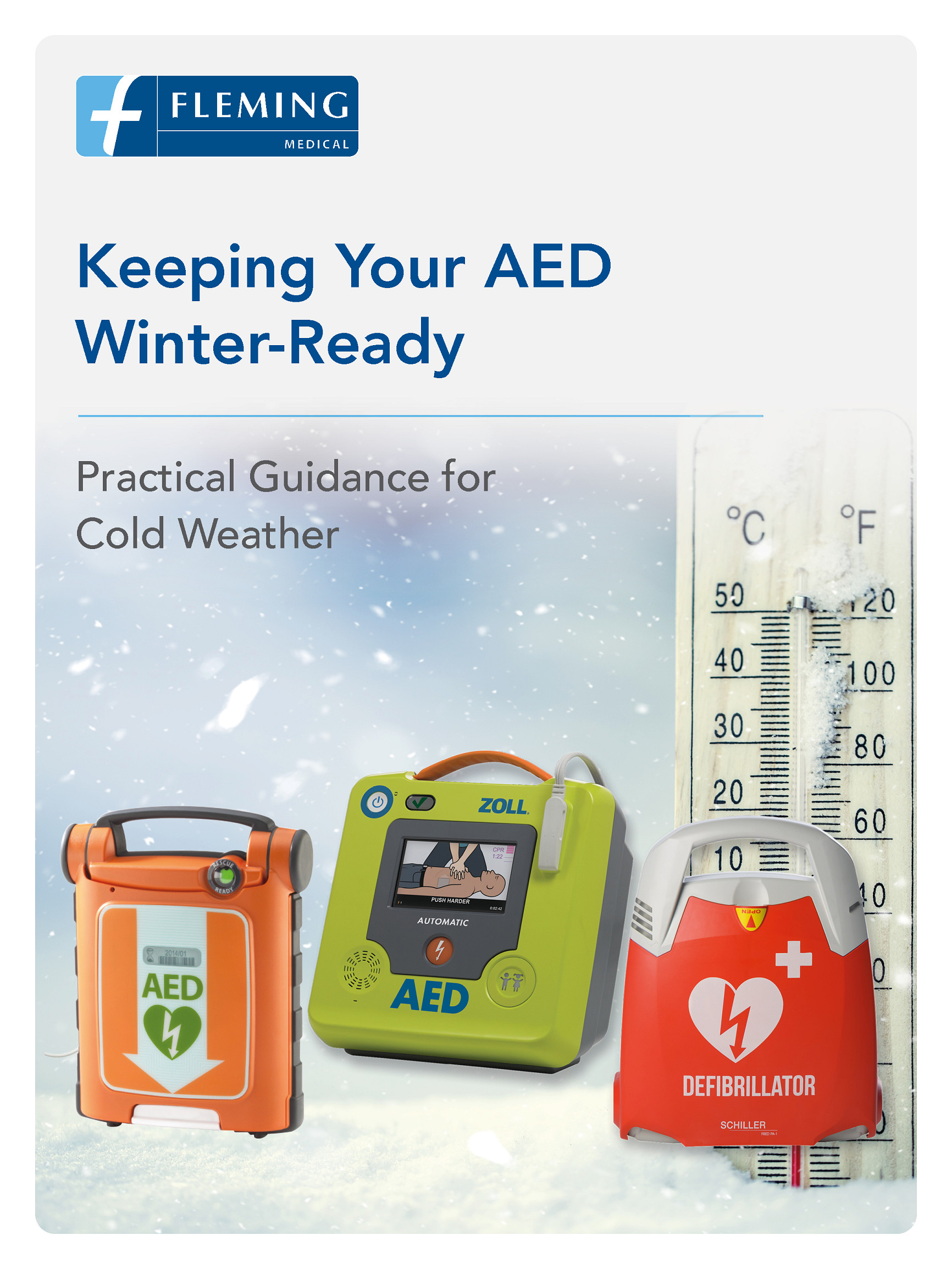
Winter in Ireland brings crisp mornings, cooler air and the occasional cold snap. It also introduces small seasonal changes that can influence how an AED performs. With a little attention at this time of year, your AED can stay fully ready to support your community, workplace or team whenever it is needed.
This guide brings together clear, practical steps that are easy to follow. It is written to help organisations feel confident in caring for their AED throughout the colder months.
Understanding How Winter Affects AEDs
AEDs are designed to be dependable in all seasons. However, colder temperatures can affect how certain components behave. Batteries may work slightly harder, pads can become less flexible if they get too cold and outdoor cabinets rely more on their heating systems. You do not need technical knowledge to manage this. A few regular checks will help the device stay in optimal condition throughout winter.
Taking Care of Outdoor AED Cabinets
A well-maintained cabinet is one of the most effective ways to protect an AED during colder weather. Winter is a great time to check that the cabinet is providing a stable and warm environment.
It helps to review the following factors.
• The heater should activate during cold periods.
• The thermostat should maintain an even temperature.
• The door seal should prevent drafts and moisture.
• The light, lock and alarm should be working correctly.
A warm and dry cabinet increases confidence that the device is stored in the correct conditions.
Supporting Battery Performance
The AED’s battery powers both self-tests and real-time use. While modern AED batteries are robust, they can benefit from a little extra attention during winter.
Simple winter habits include:
• Checking the readiness indicator frequently.
• Confirming the battery expiry date.
• Keeping a spare battery stored indoors if the AED is kept outdoors.
These small steps help ensure that the AED has the power it needs, even on colder days.
Looking After AED Pads
Pads contain an adhesive gel that needs to stay smooth and flexible. Extremely cold temperatures can reduce their flexibility if the pads are exposed for long periods.
During winter, it is helpful to:
• Check that the pads are in date.
• Confirm that the packaging is sealed and stored correctly.
• Keep a spare set indoors if the AED is stored outside.
Having a second set available ensures that you always have temperature-stable pads ready to use.
Creating a Simple Winter Routine
Many organisations adopt a short weekly check during winter. It is quick to complete and offers reassurance that the AED is ready for use.
A seasonal check may include:
• Confirming the readiness indicator.
• Checking pad and battery dates.
• Ensuring the cabinet remains warm and dry.
• Making sure access is clear and safe for volunteers and responders.
This routine helps maintain a high standard of readiness throughout the season.
If Your AED Is Kept in a Vehicle
Teams that carry an AED in a vehicle may choose to bring it indoors overnight during very cold periods. Vehicles cool rapidly in winter, which can expose the AED to low temperatures for longer than needed. When travelling, storing the AED in the cabin rather than the boot helps maintain a more stable temperature.
Ensuring Quick Winter Access
In some locations, frost or ice can affect how easily people reach the AED. A brief check after very cold nights helps ensure that cabinet doors open smoothly and that pathways remain clear. These small observations support quick and confident access during an emergency.
Winter is also a good time to refresh communication within community groups or responder teams. Sharing updated cabinet codes, contact numbers and reminders of the AED’s location helps everyone stay organised.
Planning a Seasonal Service
A scheduled service is a valuable step during winter. It allows a technician to review the battery, pads, software, cabinet condition and overall performance. Many organisations choose a winter service for added reassurance during the colder months.
Support Throughout the Season
A little winter preparation helps your AED remain dependable at all times. If you need guidance, replacement pads or batteries, a heated outdoor cabinet or a full winter service, our Healthcare Team is here to support you.
Email healthcare@flemingmedical.ie
References
American Heart Association. AED Program Implementation and Maintenance Guidelines.
European Resuscitation Council Guidelines. AED Environmental Recommendations.
ZOLL Medical Corporation. AED 3 and AED Pro Technical Specifications.
Schiller Medical. FRED PA-1 and Defigard Touch 7 User Manuals.
Stryker Cardiac Science G5 AED Environmental Requirements.
-
 Medicare Gel Arch Wrap Recognised in Pharmacy Awards
-
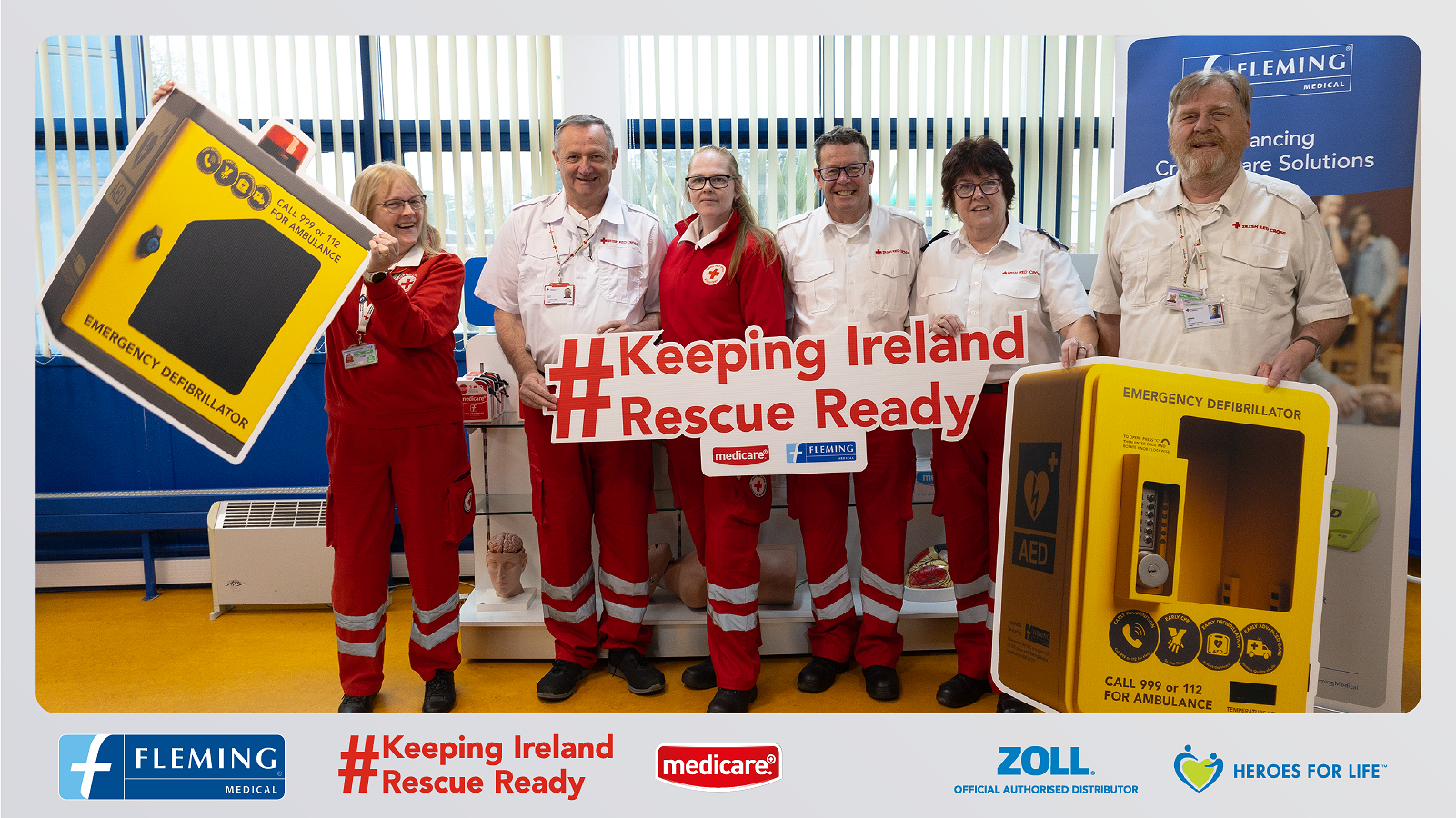 Keeping Ireland Rescue Ready: Fleming Medical Hosts Community AED Handover Event
-
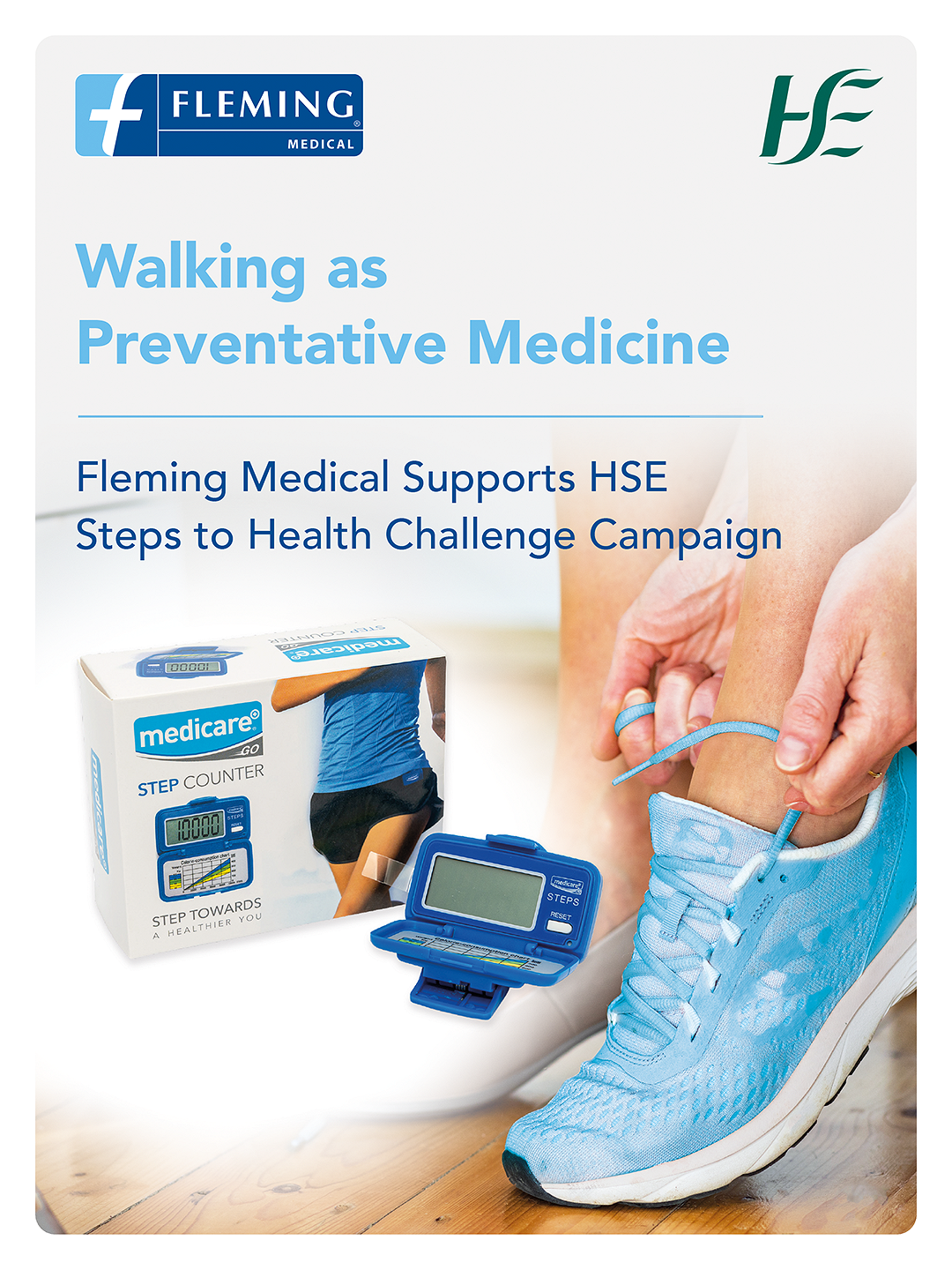 Walking as Preventive Medicine
-
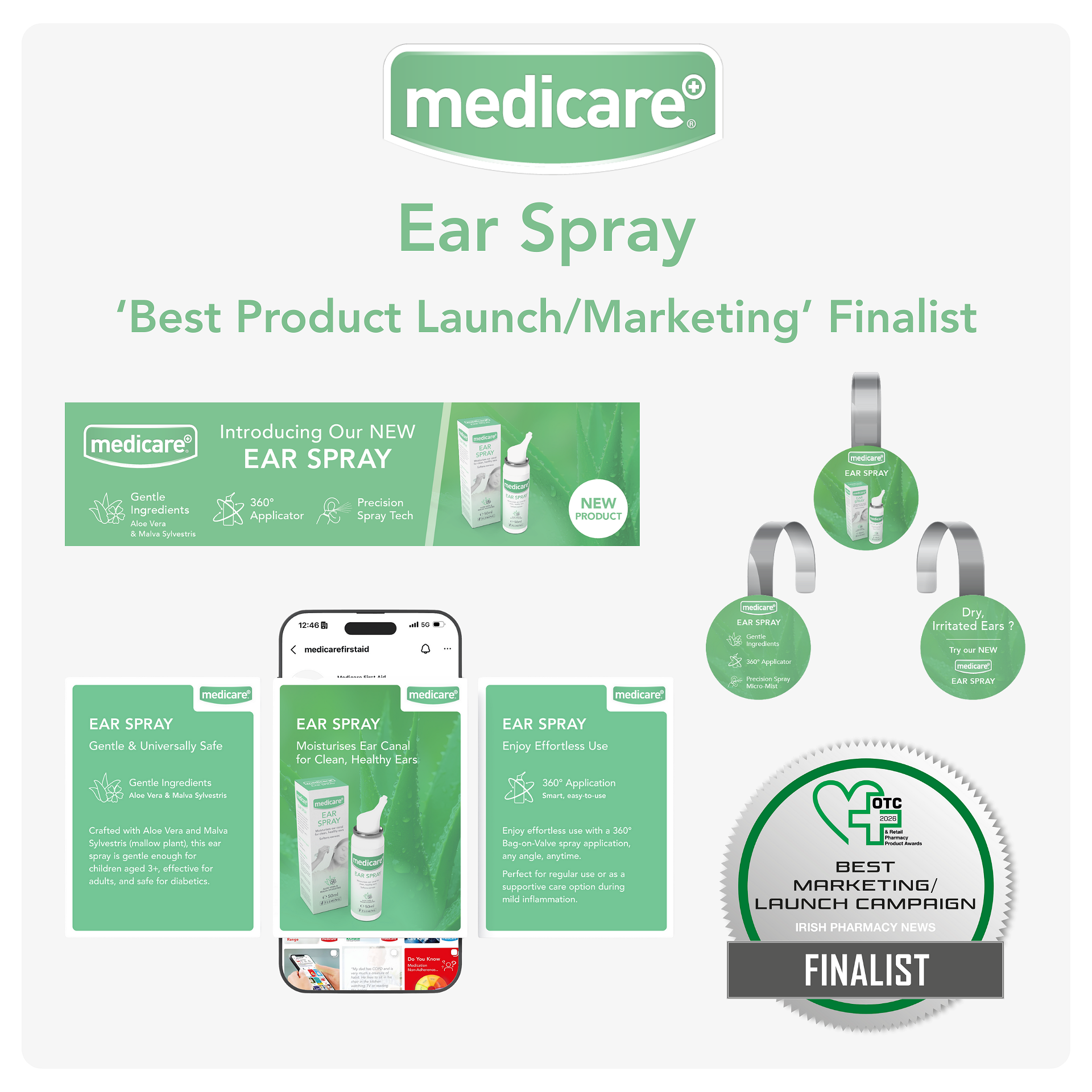 From Insight to Impact: The Thoughtful Development and Launch of Medicare Ear Spray
-
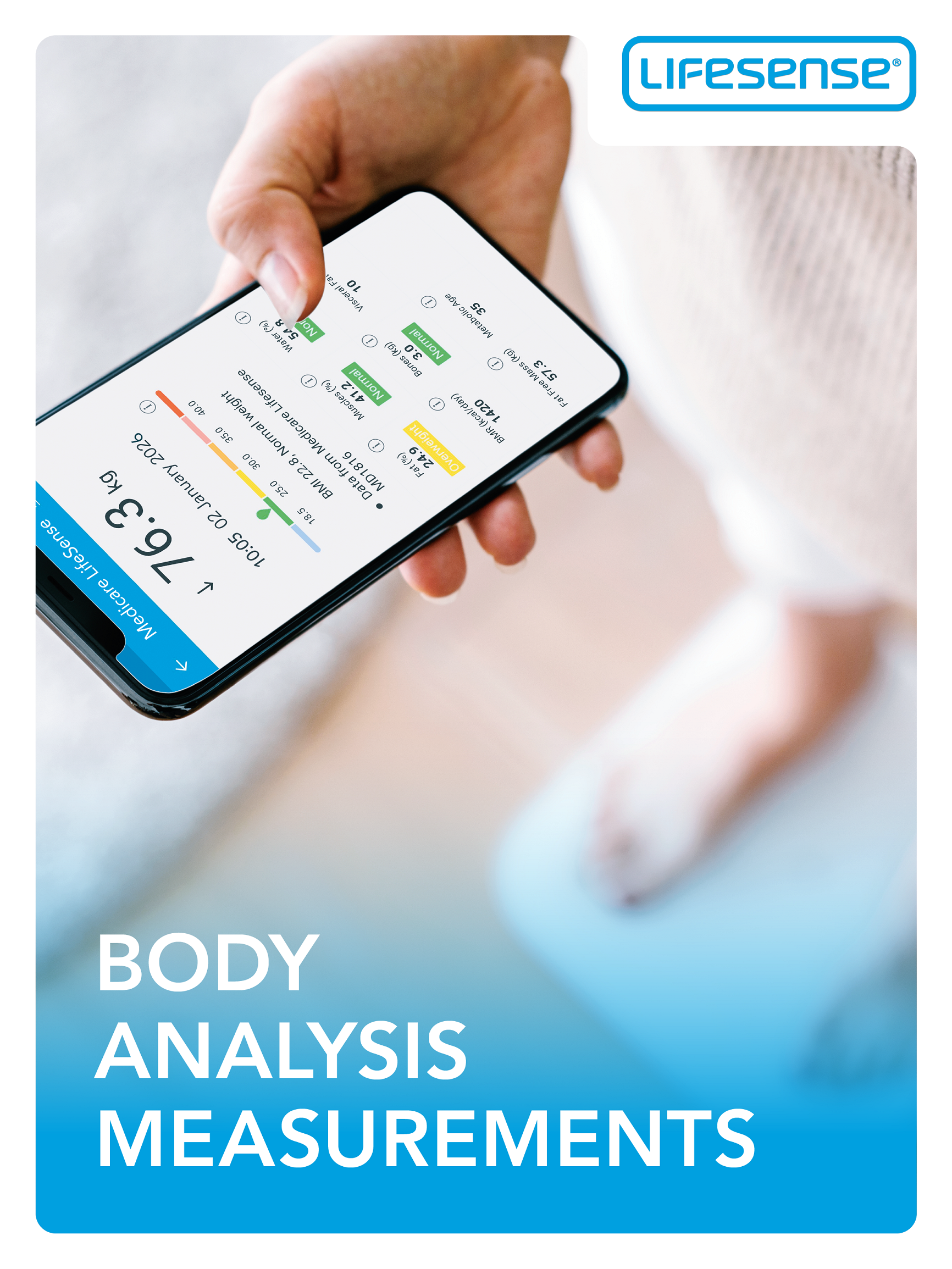 Body Composition - Understanding What’s Behind The Numbers
-
Keeping Your AED Winter-Ready: Practical Guidance for Cold Weather
-
 Get Ready for Insect Season: Why Medicare Insect Repellent Sprays Belong on Your Shelves
-
 Stroke in Ireland: Prevention, Action, and Recovery
-
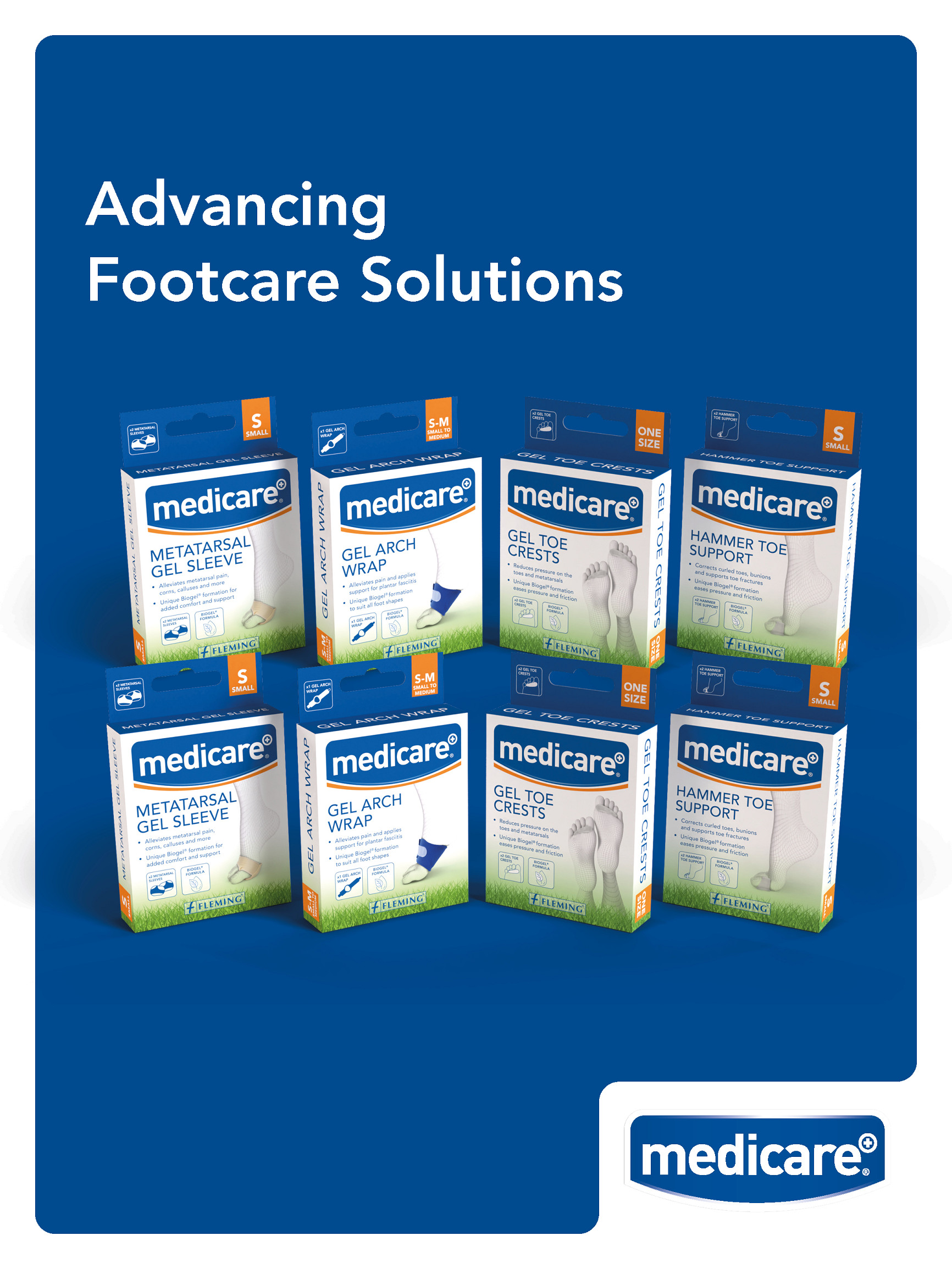 Advanced Footcare Solutions: Use Cases Explained
-
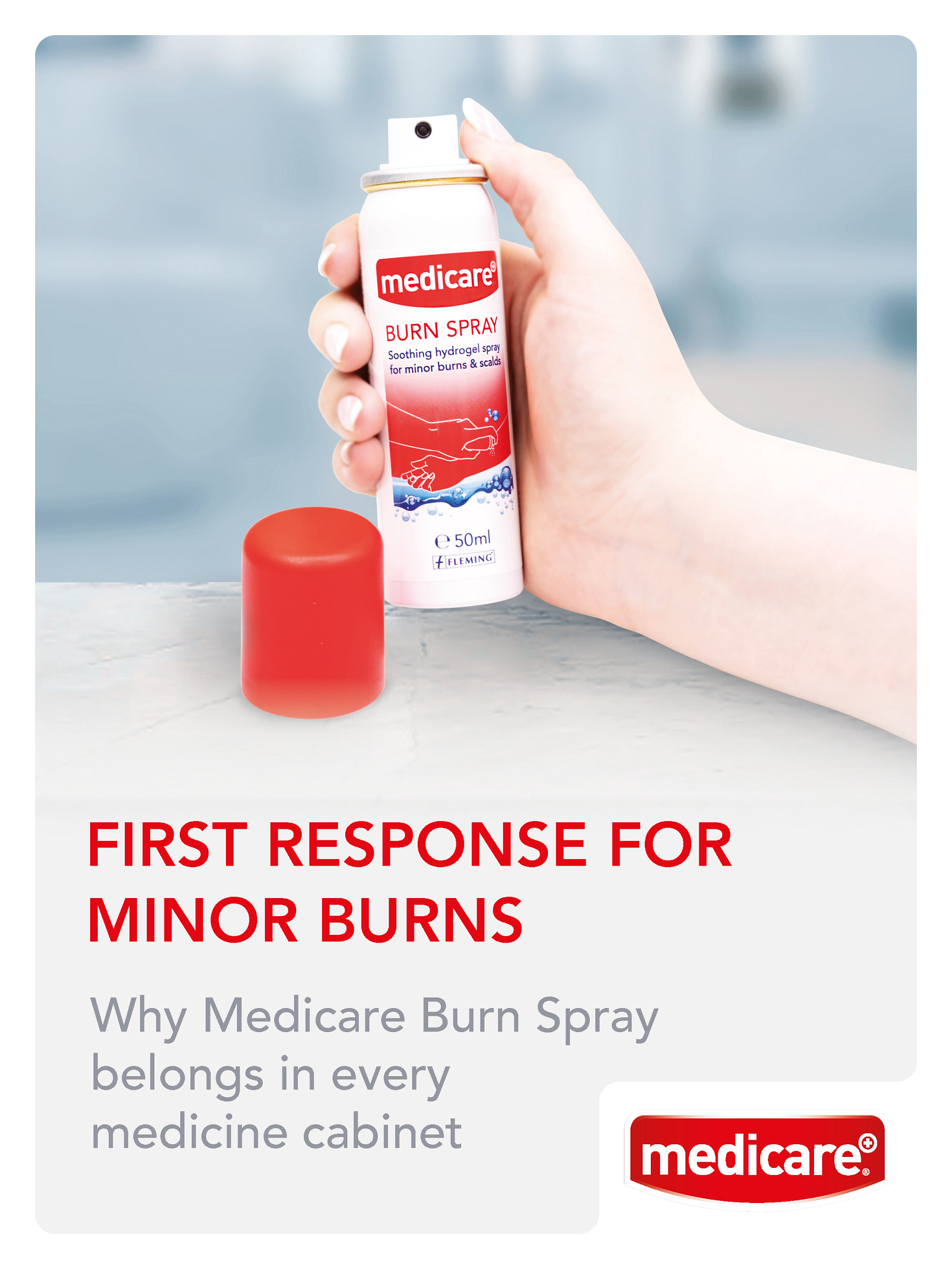 First Response for Minor Burns: Why MD508 Medicare Burn Spray Belongs in Every Medicine Cabinet
-
 Breathe Easy with Medicare Nasal Spray
-
 Gentle Daily Ear Care with Medicare Ear Spray
-
 Fleming Medical Achieves ISO 13485 Certification – Reinforcing Our Commitment to Patient Safety and Quality
-
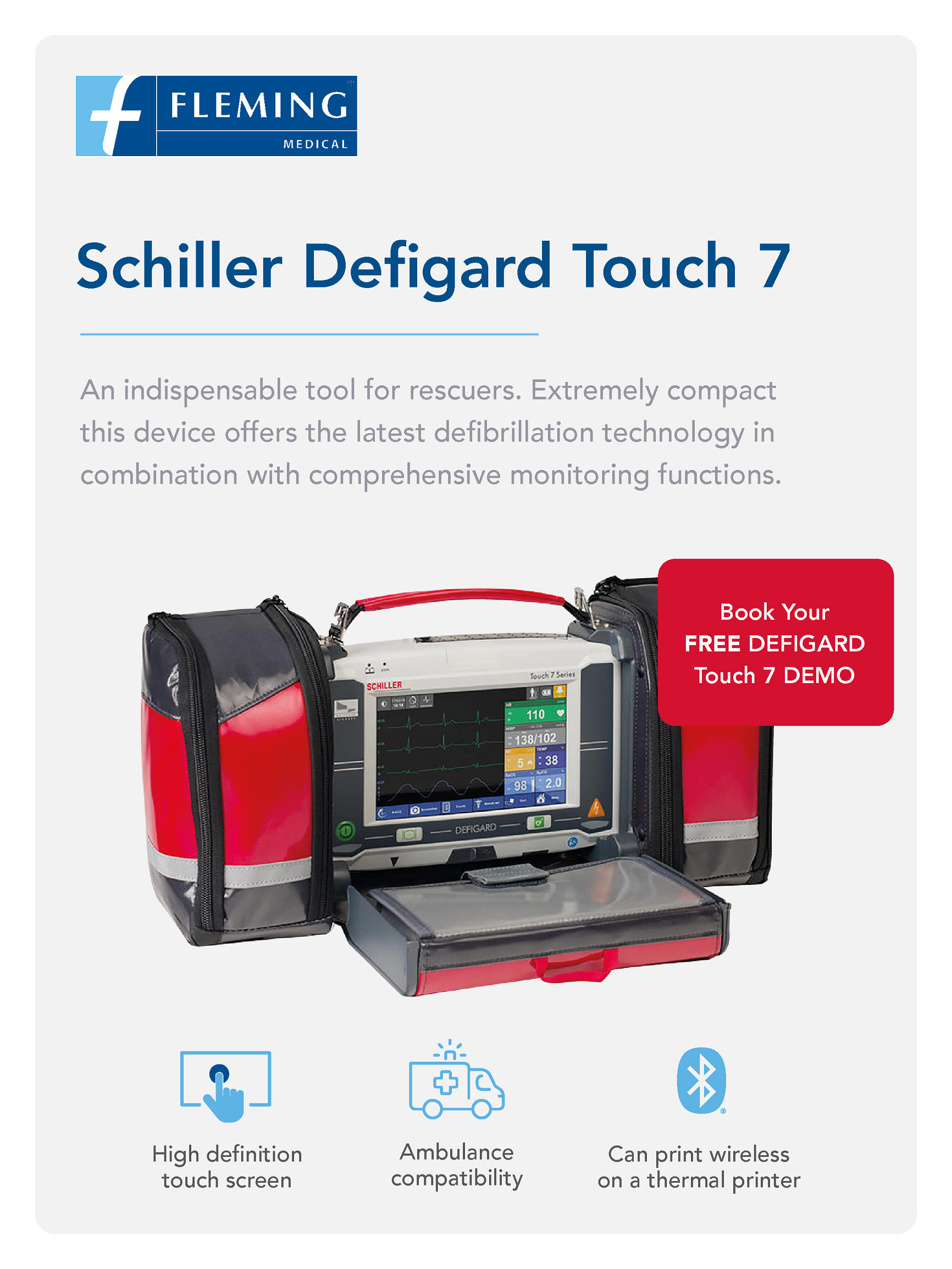 DEFIGARD Touch 7 – Advanced Emergency Care in One Powerful Device
-
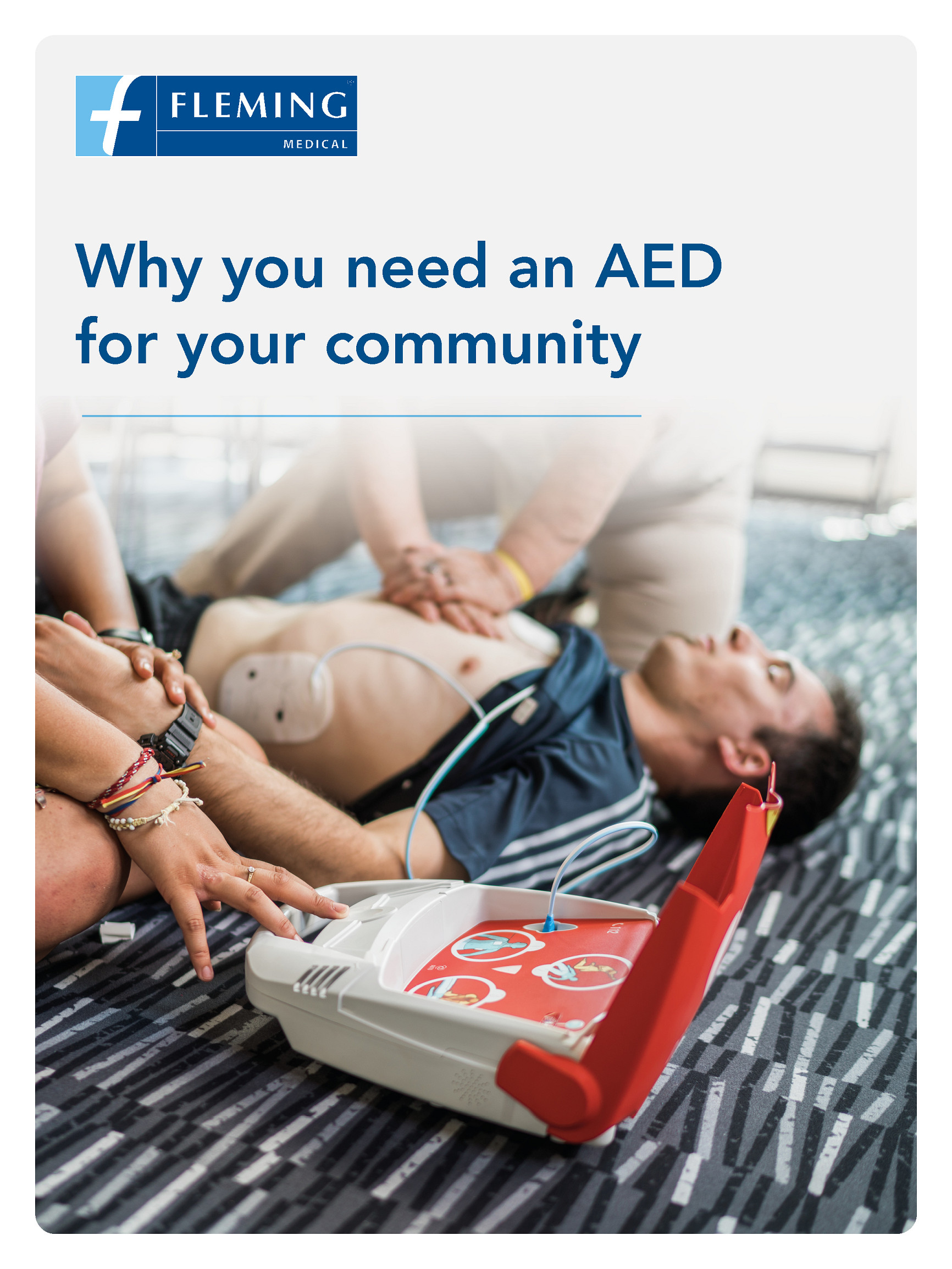 Why you Need an AED for your Community
-
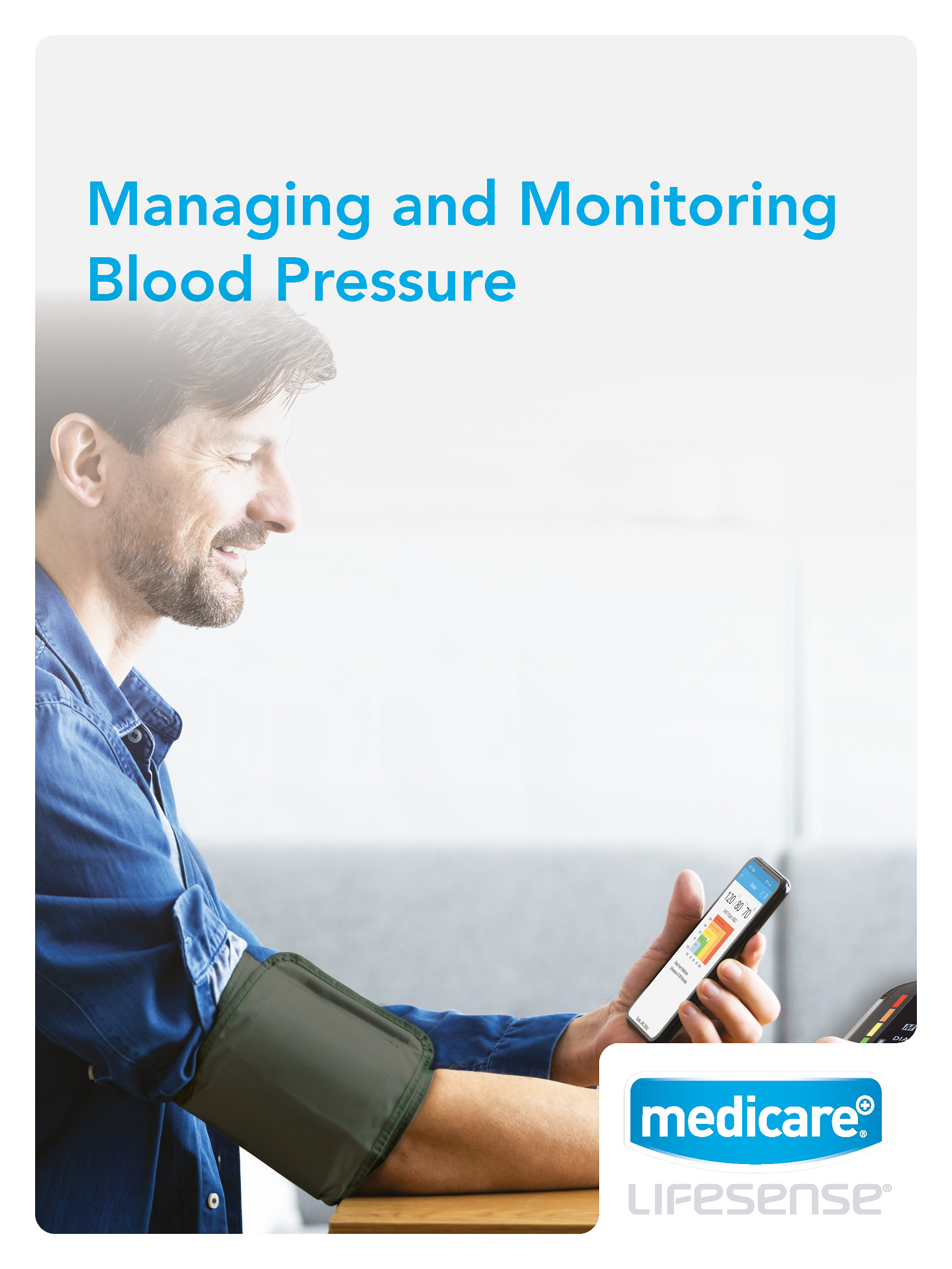 Managing and Monitoring Blood Pressure
-
 Fleming Medical wins Buyers Choice Award during ECRM's European Health, Nutrition and Wellness Program 2020
-
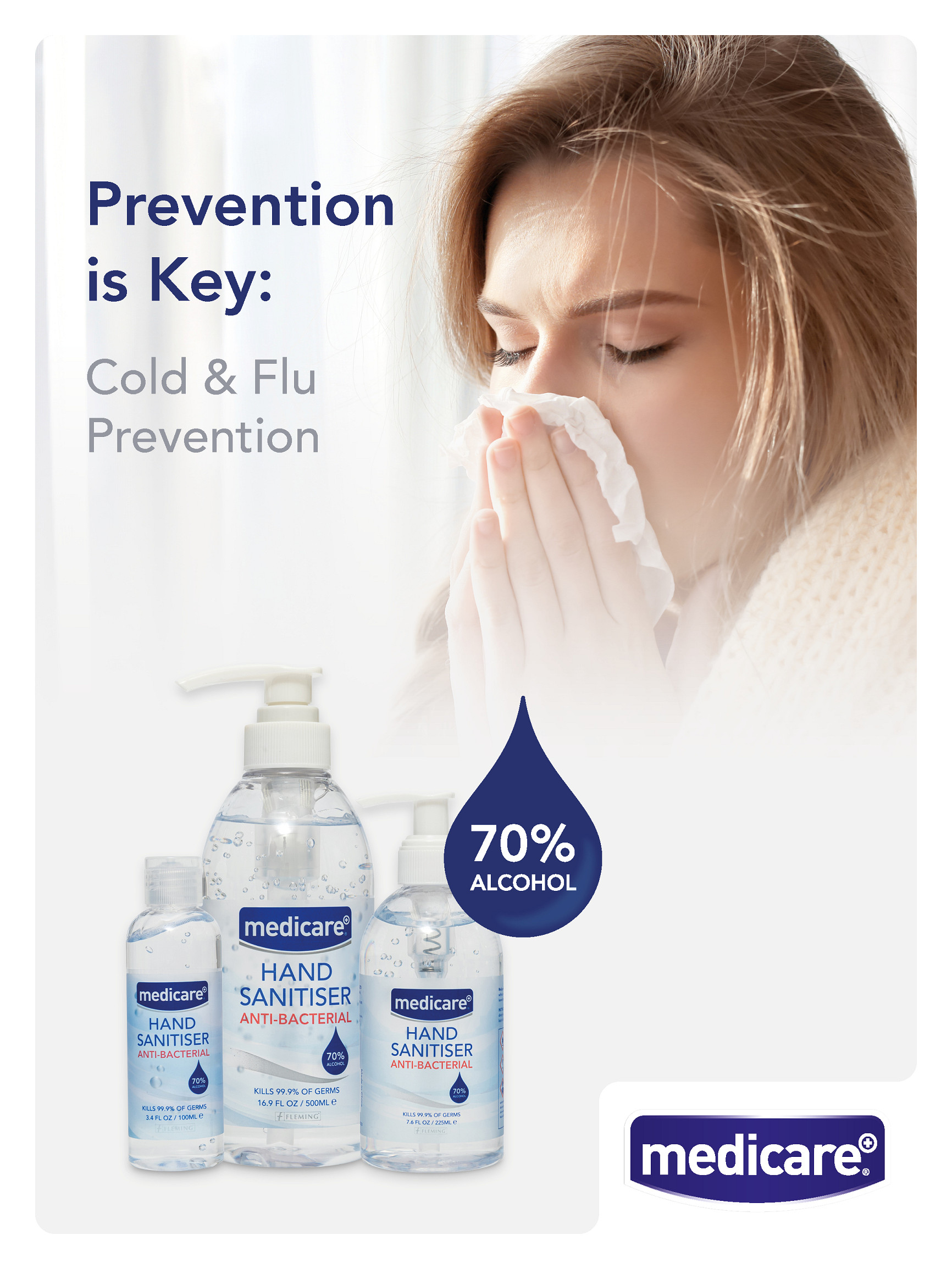 Prevention is Key: Cold & Flu Prevention
-
 Two Great Limerick Teams come together!
-
 Fleming Medical and Munster Rugby Renew Partnership
-
 Fleming Medical Supports Irish Red Cross
-
 Join us for the Webinar: Managing your COPD During Winter
-
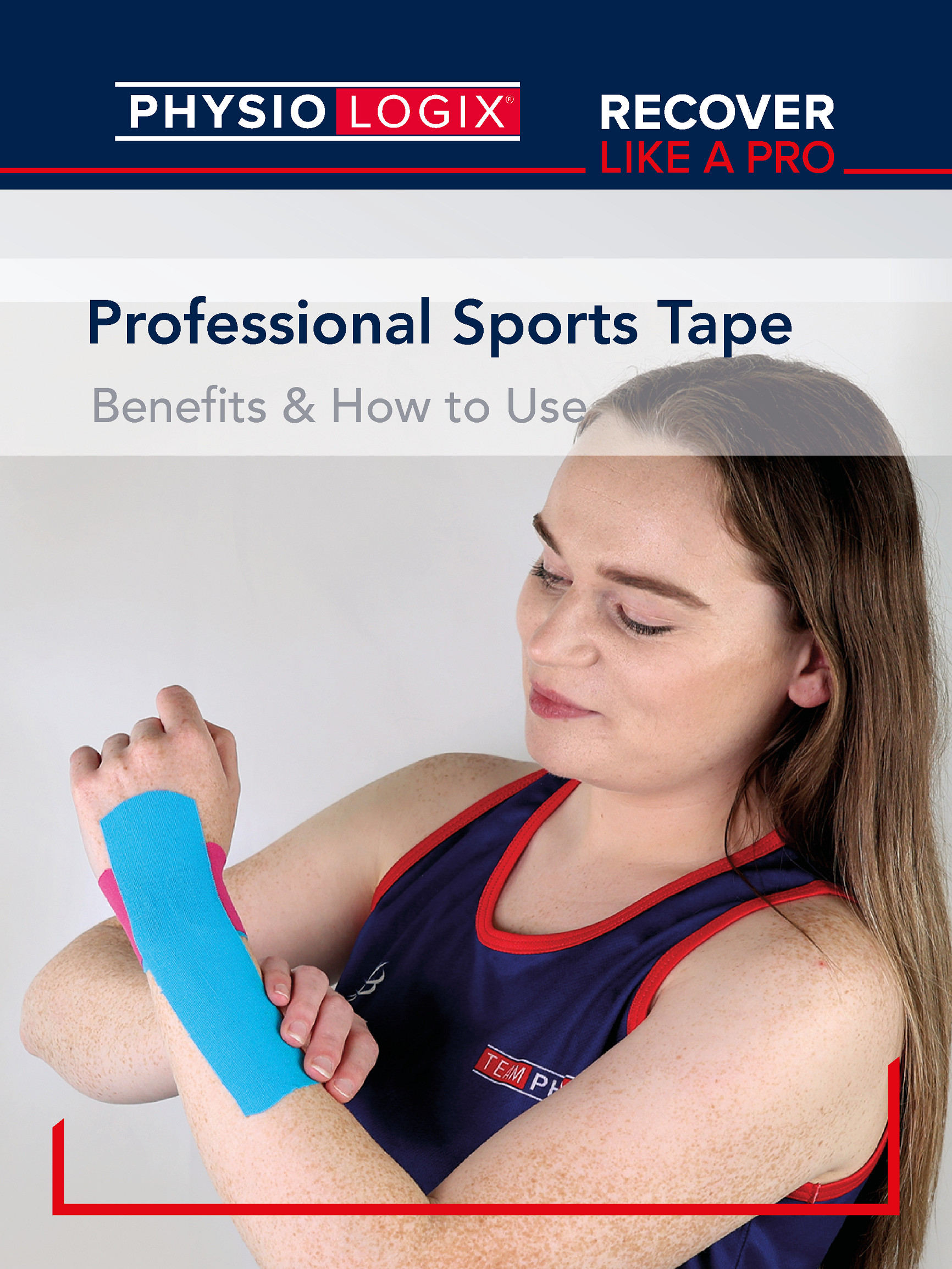 Professional Sports Tape | Benefits & How to Use
-
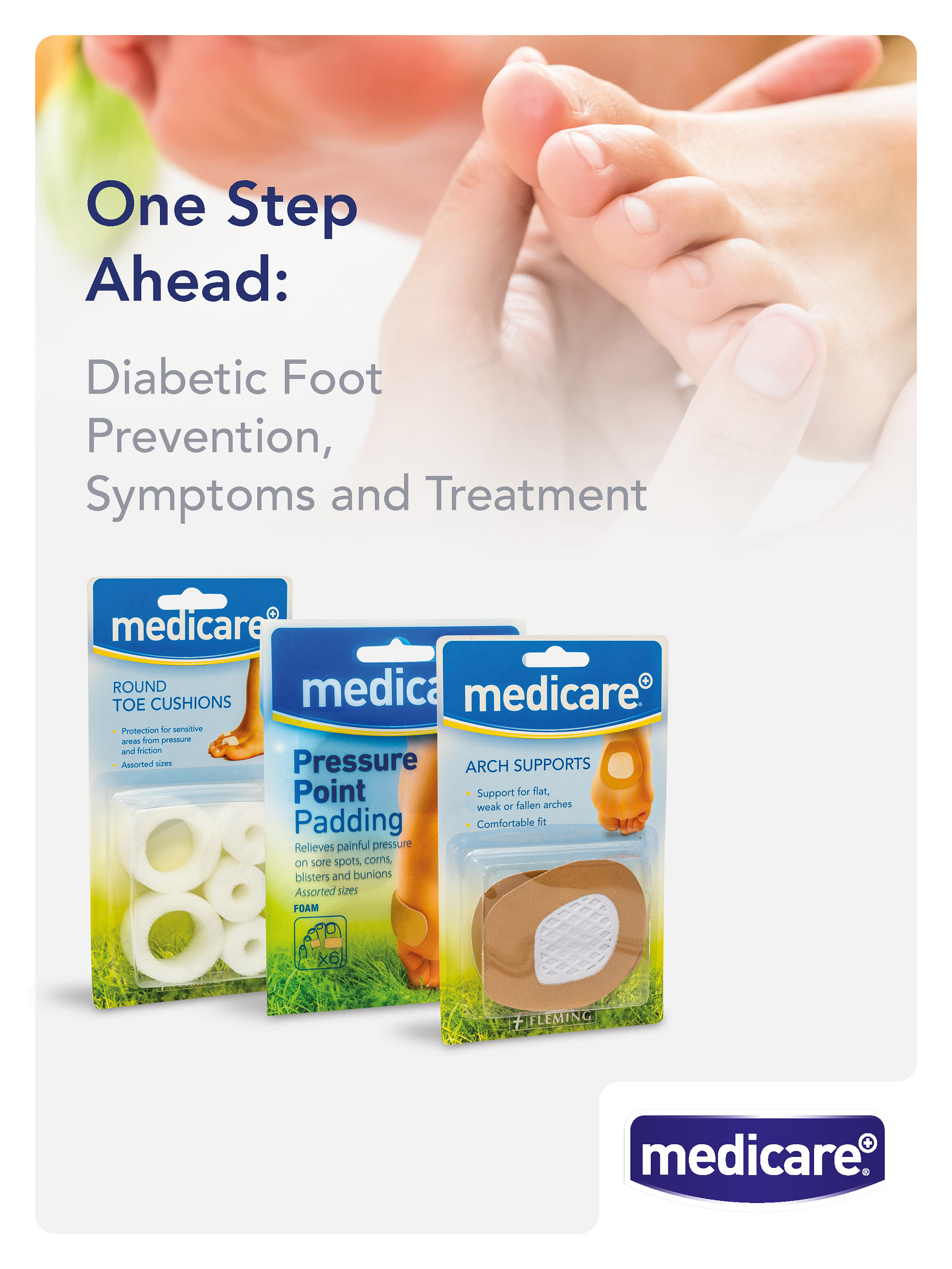 One Step Ahead: Diabetic Foot Prevention, Symptoms and Treatment
-
Be Rescue Ready: Time to Spring Clean your First Aid Kit
-
One Step Ahead: Get your Feet Summer Ready
-
The 12 Injuries Of Christmas Recap - Medicare Festive First Aid Guide
-
 Fleming Medical Achieves ISO 13485 Certification – Reinforcing Our Commitment to Patient Safety and Quality
-
 Keeping Customers Covered: How Pharmacies can address the Summer Burn Surge - A clinical and practical guide for pharmacy teams